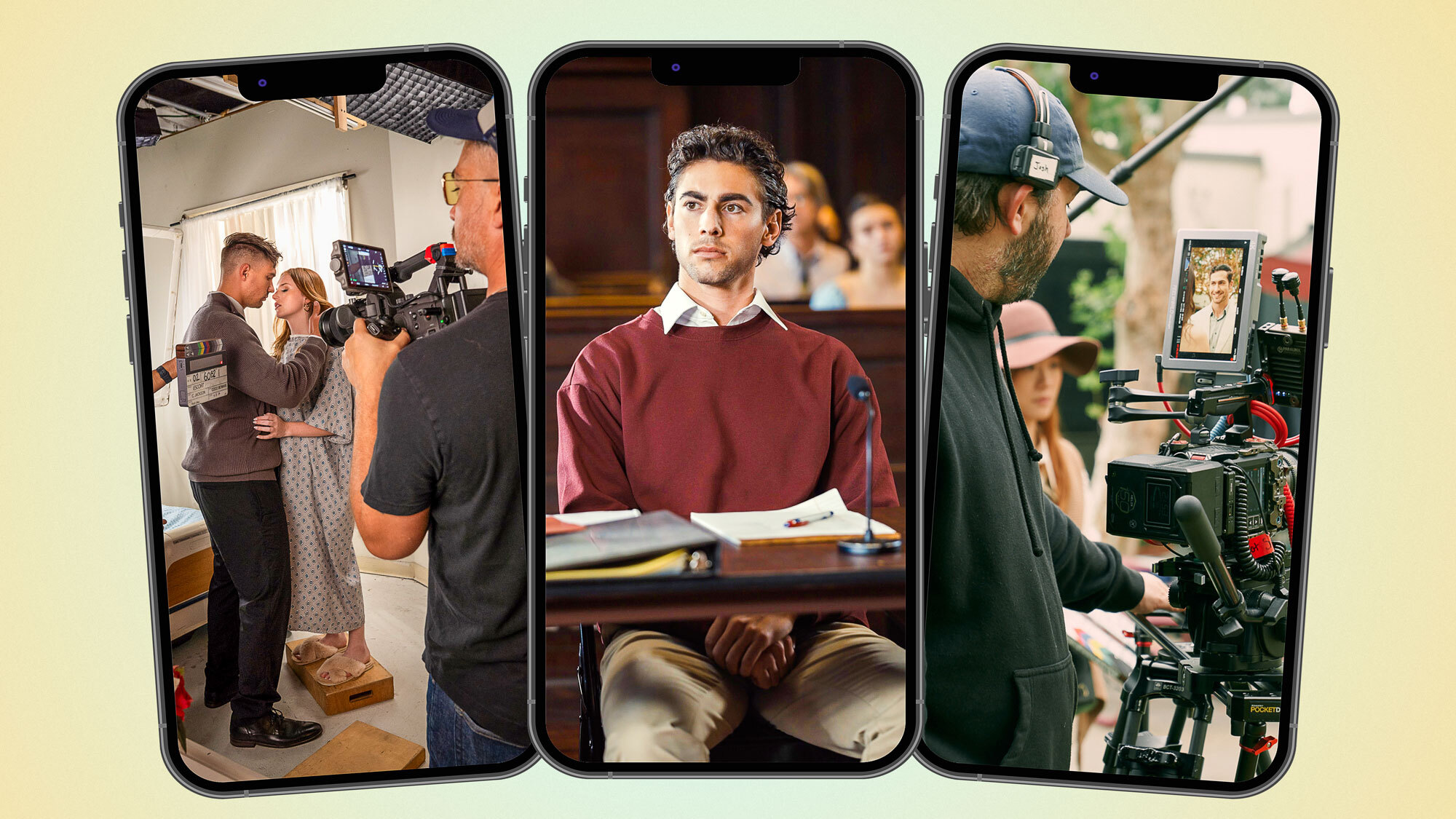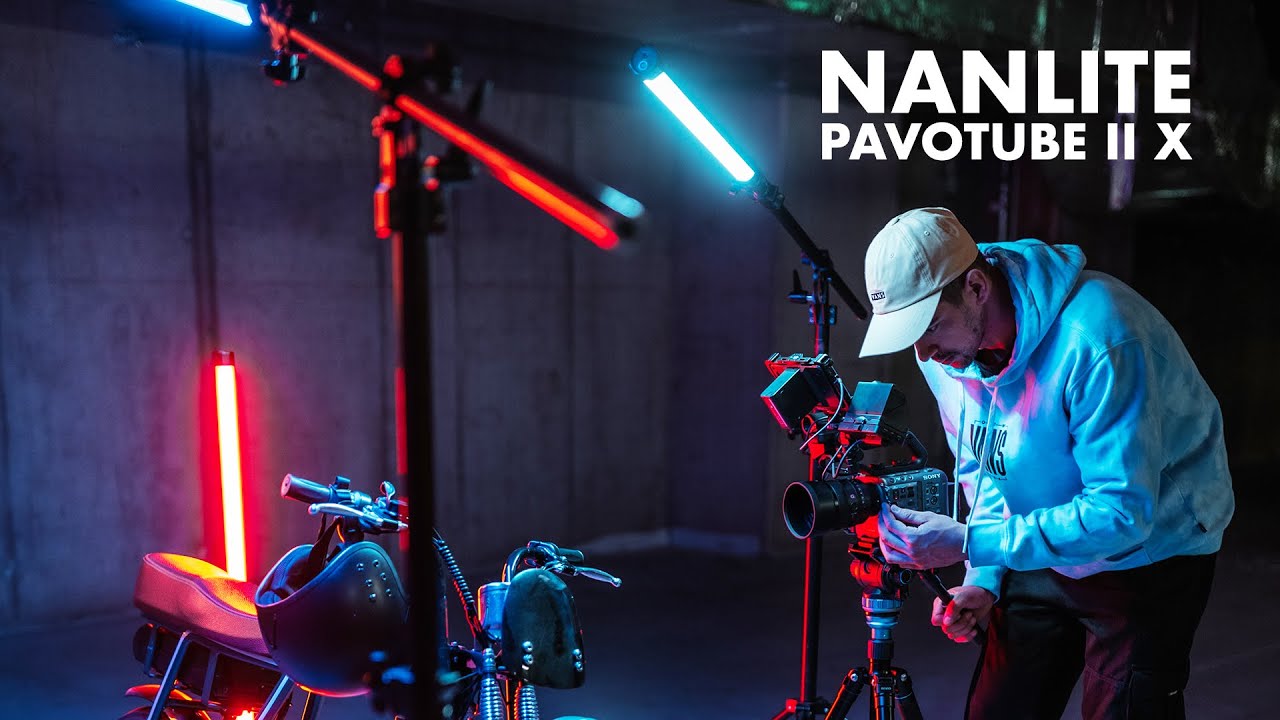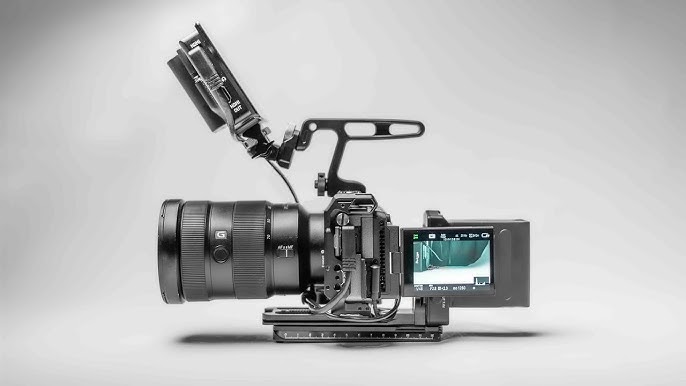
The Sony FX3 and FX6 share the same full-frame sensor and produce nearly identical image quality, yet they serve different shooting styles. Understanding the practical differences will help you choose the right camera for your next production.
The Core Truth: Image Quality Is Nearly Identical
This is the most important thing to understand about these two cameras. As Bunker Hill Media, a production company that shoots with both cameras regularly, puts it: "Same sensor. Most clients — and most people, period — would never be able to tell the difference."
Both cameras deliver the same resolution, the same dynamic range, and the same color science. The differences lie in the body design, features, and ergonomics.
Side-by-Side Comparison
| Feature | Sony FX6 | Sony FX3 |
|---|---|---|
| Sensor | Full-frame, same as FX3 | Full-frame, same as FX6 |
| Internal ND Filter | Built-in electronic ND | Requires external VND |
| Form Factor | Larger body, better for rigging | Smaller, compact, gimbal-ready |
| Audio Inputs | XLR built into body | XLR via top handle accessory |
| Still Photos | No | Yes |
| Weight | Approx. 890g | Approx. 640g |
| Recording Media | CFexpress Type A / SD | CFexpress Type A / SD |
When to Choose the FX6
Rigged-up productions: The FX6's larger body accommodates more accessories — external monitors, follow focuses, wireless video transmitters — without feeling cramped. Its built-in XLR inputs and four-channel audio make it the better choice when you need professional audio without additional accessories.
Outdoor shooting: The built-in electronic variable ND filter is a genuine advantage. Being able to adjust exposure on the fly without touching the lens saves time and keeps you focused on the subject.
Interview and corporate work: When the camera is on a tripod and you need reliable audio routing, the FX6's form factor and built-in features make it the more efficient choice.
When to Choose the FX3
Gimbal work: The FX3 wins here decisively. Its compact body and lighter weight mean less counterbalancing, less arm fatigue, and faster setup on stabilizers. If you know you will be on a gimbal all day, the FX3 is the practical choice.
Run-and-gun content: For branded content, social media shoots, and event coverage where mobility matters, the FX3's smaller profile lets you move through crowds and tight spaces more easily.
Hybrid photo and video: The FX3 can take still photos; the FX6 cannot. If you need to capture behind-the-scenes stills, thumbnails, or reference images during a video shoot, this is a meaningful advantage.
Budget-conscious projects: The FX3 rents for less than the FX6, and since the image quality is effectively the same, it offers excellent value for productions where the built-in ND and larger body are not essential.
A Practical Recommendation
Rather than thinking of one camera as "better" than the other, think of them as complementary tools. Many production companies — including those we work with — use the FX6 as their A-camera on a tripod and the FX3 as a B-camera on a gimbal or for handheld coverage.
If you are a solo shooter who needs maximum flexibility, the FX3 paired with a good variable ND filter covers most situations. If you are running a multi-person crew with dedicated audio and lighting, the FX6's professional features will streamline your workflow.
Both the Sony FX3 and FX6 camera packages are available at Chill Rental. Contact us to discuss which setup is right for your project.